From One Machine to a Brand: How Ice Cream Vending Operators Scale Globally
Date:2026-02-03 Author:Huaxin
shares insights on scaling ice cream vending machines globally, noting common failures from supply chain issues, poor control or weak localization. He emphasizes standardizing equipment/supply chains, building SOPs and intelligent management systems, adapting to local markets/compliance, and choosing between asset-light licensing or direct operation, stressing scaling relies on replicable systems.

If you’re already running a few ice cream vending machines successfully and gearing up to replicate that success — expanding to ten, a hundred, or even targeting overseas markets — congratulations. You’re entering the most challenging, but also the most exciting, chapter of the game.
Over the past few years, I’ve witnessed and participated in many ambitious expansion plans. Some brands have spread across hundreds of shopping malls nationwide; others have placed machines in Middle Eastern malls and European airports. But there are far more stories of expansion failing midway — because of supply chain breakdowns, loss of remote control, or failed localization.
Today, I want to talk frankly about what it really takes to move from “one profitable machine” to “a valuable brand”, the gaps you must cross, and how to systematically build your path to globalization.
First Barrier: Scaling and Branding Are Not Just Changing a Logo
Single-location success often depends on luck or the owner’s personal effort. Scaling requires turning accidental success into a replicable system.A Real Pitfall Case
One of my clients initially succeeded with three machines of different models and appearances placed near three universities. Encouraged, he ordered 20 machines to enter commercial malls — and problems exploded.Different machines had different tank capacities, cleaning procedures, and spare parts. Operators had to learn three manuals. The inconsistent appearance left no brand impression for malls or consumers.
The result: low efficiency and zero brand recognition.
Our Solution (Actionable Strategies)
1.Equipment Standardization & “Supply Chain Lock-in”
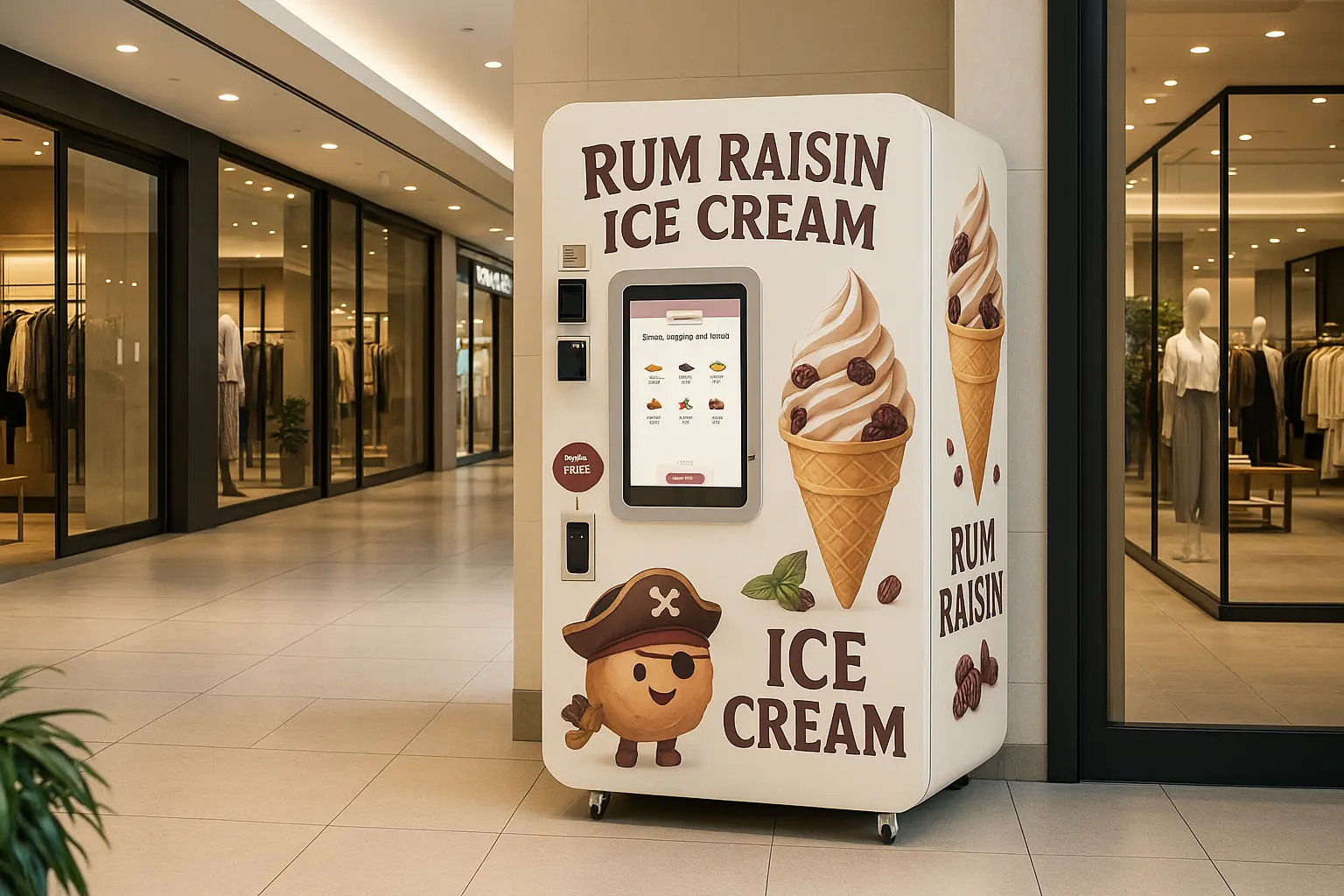
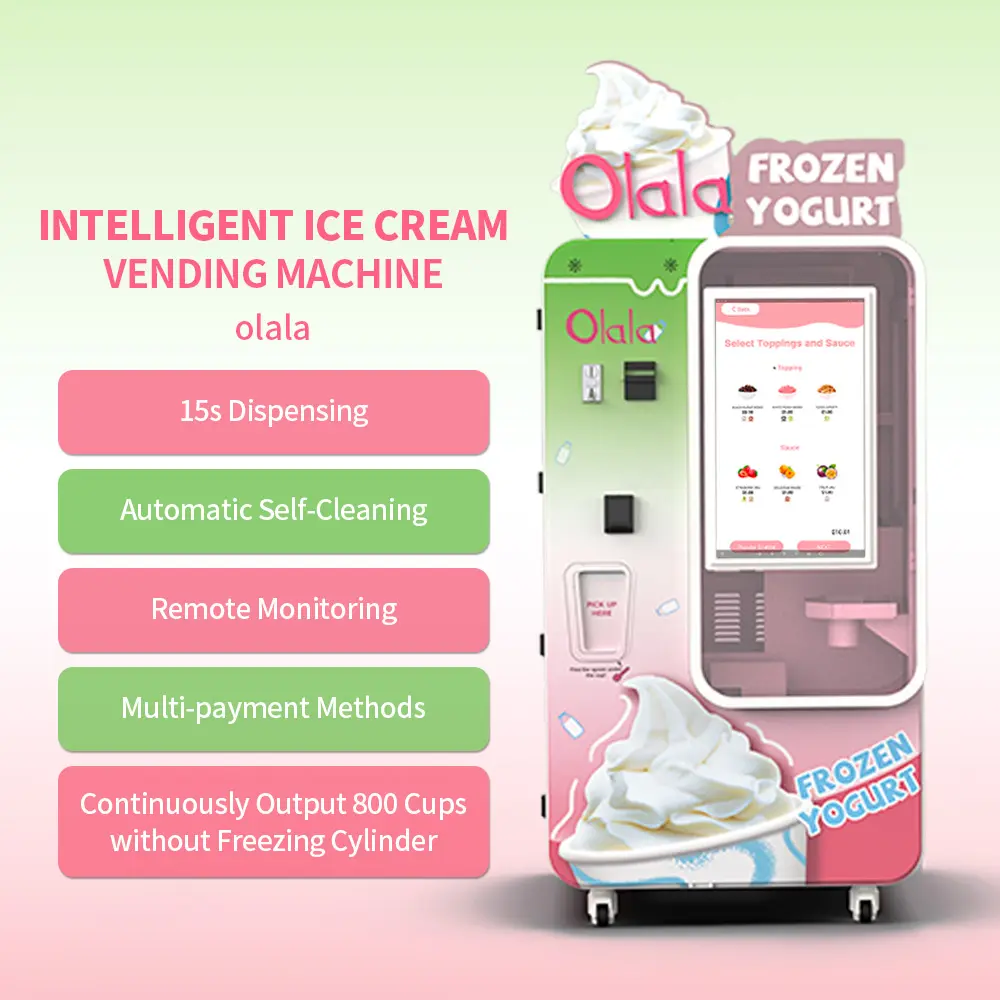
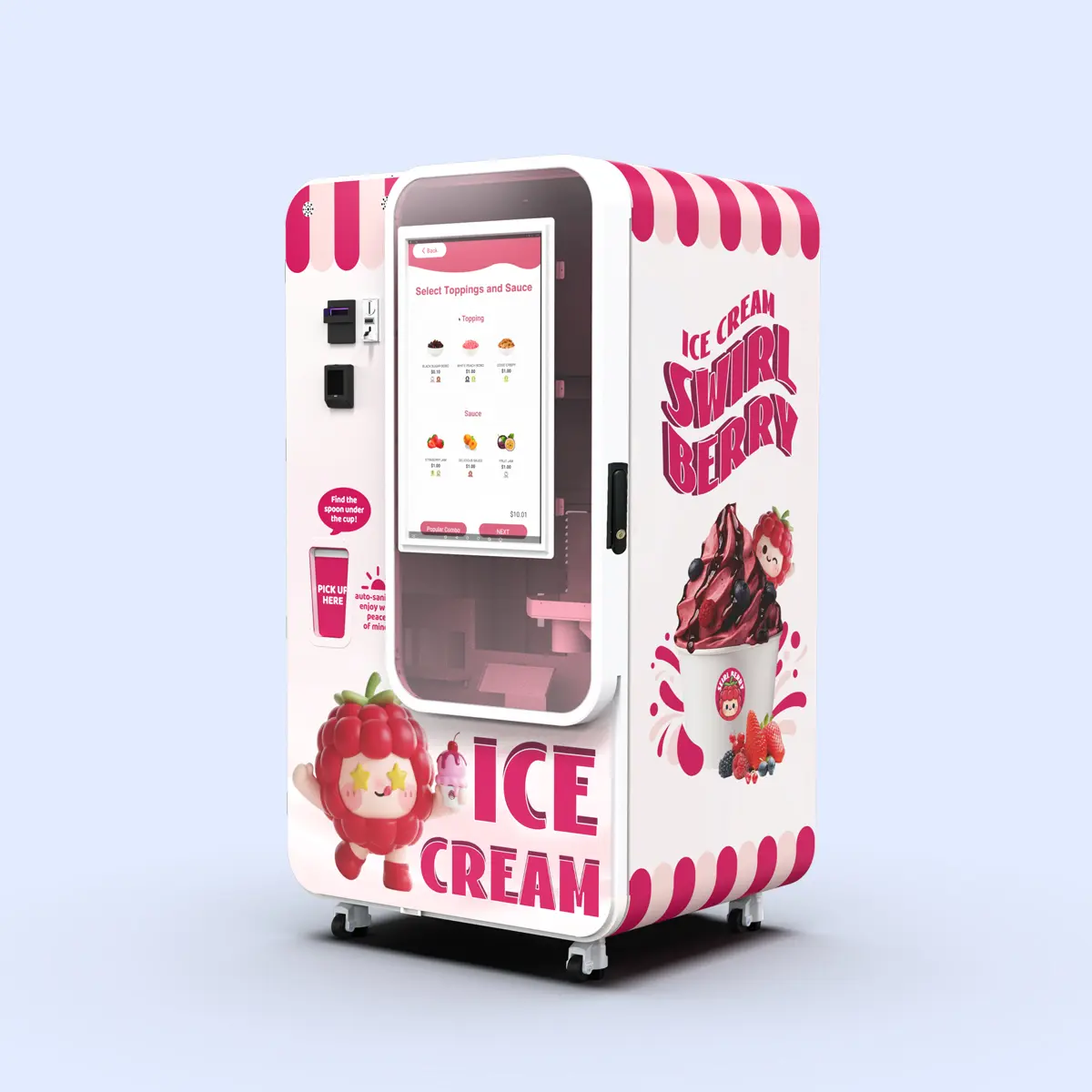
This is the foundation of scaling. You need a strategic partnership with manufacturers who provide standardized, modular, and deeply customizable equipment.For example, manufacturers like HUAXIN offer unified core components across the B83max–B86 series (such as Embraco compressors and Omron sensors), ensuring consistent performance and interchangeable parts.At the same time, their appearance supports flexible customization within a standard framework (magnetic panels, light boxes), allowing you to keep a unified brand visual identity while adjusting themes for different malls.
2. Build Your “SOP Bible”
Turn your single-point success into unquestionable standard operating procedures:- Daily / weekly checklists (temperature, pressure gauge readings, ingredient levels).
- Standardized cleaning workflows (using one-touch cleaning as a base, with detailed supplements).
- Fault code emergency manuals (co-developed with manufacturers — 95% of issues should be solvable remotely).
3. Central Brain: An Intelligent Management System
Once you exceed 10 machines, managing by foot and phone becomes a disaster.- You need a powerful remote management platform to:
- Monitor any machine globally in real time: status, temperature, sales, alerts.
- Adjust pricing, issue coupons, and push advertising content centrally.
- Automate revenue sharing with different partners — the technical foundation for complex cooperation models.
Second Barrier: Cross-Regional Operations — Localization Can Kill You
Your best-selling flavor in City A may fail completely in City B. As physical distance increases, management complexity grows exponentially.Here are the key challenges and how to respond systematically:
1.Supply Chain & Logistics
Transporting ice cream mix across regions is costly and unstable, with high risk in cold-chain breaks and delivery delays.A scalable solution is to work with national cold-chain logistics providers, or authorize qualified local manufacturers to produce your mix under licensed formulas with strict quality monitoring. This reduces transport cost while maintaining consistency.
2.Maintenance Response
When machines fail in remote cities, finding local technicians can take days, causing lost revenue and poor user experience.You should:
- Prioritize manufacturers with global after-sales networks.
- Pre-position core spare parts in regional hubs.
- Train or contract local service partners to handle basic cleaning and simple part replacement.
3.Market & Taste Localization
Consumer preferences, sweetness tolerance, and trending flavors vary widely across regions. What sells well in one city may flop in another.Apply the 70/30 Product Rule:
- 70% of SKUs should be proven best-sellers (for example, signature cheese flavors).
- 30% should be localized limited editions (such as chocolate in certain markets).
4.Compliance & Legal Requirements
Food safety standards, electrical regulations, and vending placement permissions differ by country and region.Before expanding, legal and compliance review must be a prerequisite step. Choosing machines already certified with international standards such as CE or ETL can eliminate major risks at the source and speed up market entry.
Third Barrier: Going Global — Sell Machines or Operate a Brand?
This is the ultimate challenge. There are two main paths.Path A: Equipment Sales + Brand Licensing (Asset-Light)
Model:You sell standardized machines to local operators, while providing brand authorization, operational guidance, and system support. Revenue comes from equipment sales, licensing fees, or revenue sharing.
Advantages:
Fast capital recovery, local partners bear operational risk.
Challenges:
Weaker brand control. Poor partners damage your reputation. Heavy dependence on equipment adaptability (voltage, payment, language).
Your machines must support local currency, popular e-wallets, and multi-language interfaces easily.
Path B: Direct Operation (Asset-Heavy, High Control)
Model:Set up local entities and handle deployment, operations, and maintenance yourself.
Advantages:
Strong brand control, higher margins, deeper market understanding.
Challenges:
High legal, financial, and HR costs. Extremely complex management.
Our Recommendation
For most operators, start with Path A, and test Path B in core strategic markets.Use proven equipment and partners first, run the model, accumulate experience, and only self-operate deeply in the most valuable markets.
An Actionable Global Expansion Roadmap (Five Steps)
Internal Standardization (6 months)Complete 100% standardization of equipment, operations, and brand visuals in your base market.
Regional Pilot Testing (6–12 months)
Test with 3–5 machines in culturally similar regions. Validate logistics, remote management, and localization.
Build Partner Model
Productize your package: equipment + brand + system + SOP, and recruit brand operators.
Set Regional Support Centers
Create light support offices or exclusive service partners to improve response speed.
Data-Driven Iteration
Use global system data to optimize products, marketing, and operations, feeding improvements back to partners to form an ecosystem.
FAQ: Core Concerns of Scaling Operators
Q: How do we ensure consistent ice cream quality across hundreds of machines?
A: This is the brand’s lifeline. Use “hardware-locked standards + software-monitored processes.”Hardware ensures identical core components for consistent expansion and cooling. Software monitors key parameters, such as temperature curves of each batch. If anomalies appear, the system warns early for predictive maintenance instead of reactive fixes.
Q: How can small vending brands negotiate with large malls?
A: Upgrade from “machine supplier” to “brand experience point.”Your bargaining power becomes the value you bring: brand tone, automated revenue sharing, proven revenue per square meter, and cross-traffic through your screens and products.
Prepare a professional “Brand Entry Value Proposal,” not just a price list.
Q: What’s most important when choosing global equipment partners?
A: Long-term R&D capability and global service networks.Payments change, regulations change, markets change. You need a partner who keeps iterating — not a one-time trader.
Their global deployment cases(For example, Huaxin has entered 33 countries including Germany, the United States, and Singapore) significantly reduce your overseas operational risk.
Scaling Is Ultimately System Replication
At its core, scaling an automated ice cream vending business into a global network is a competition of systems — standardized systems, management systems, data systems, and cooperation systems.Your brand is the outer expression of that system. It means that whether a consumer is in Berlin, Singapore, or Shanghai, the ice cream they receive delivers the same delightful quality and experience.