Ice Cream Vending Machine vs Traditional Soft Serve Machine: Which Fits Your Operation?
Compare traditional soft serve machines with countertop and floor-standing ice cream vending machines by staffing, hours, cleaning, restocking and cost.
The useful question is not which machine makes better soft serve. It is who stands at the machine, during which hours, and who handles everything the machine does not do for itself.
If someone is already behind a counter whenever you plan to sell, a traditional soft serve machine or a countertop automatic machine usually covers the job. A vending format earns its place when you need to sell where no one is standing: a different site, different hours, or both. It works only if someone also owns restocking, cleaning, monitoring and customer problems.
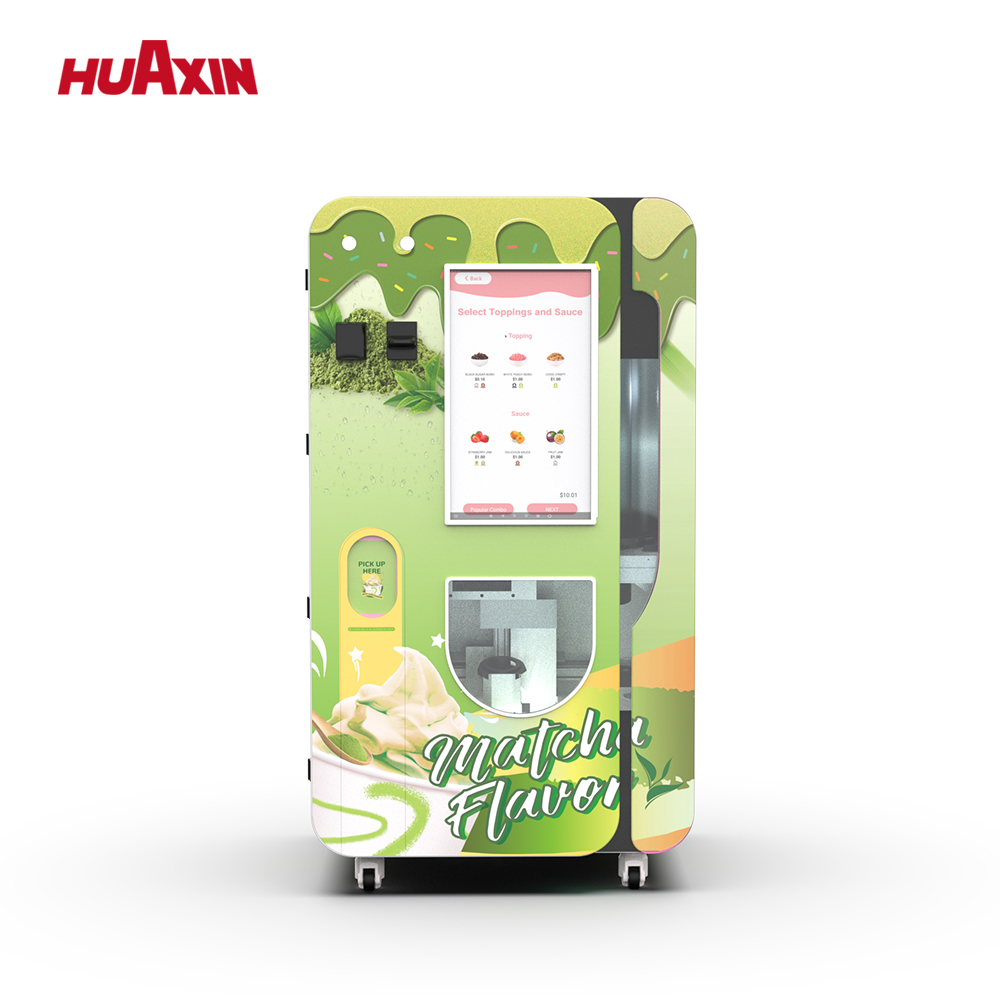
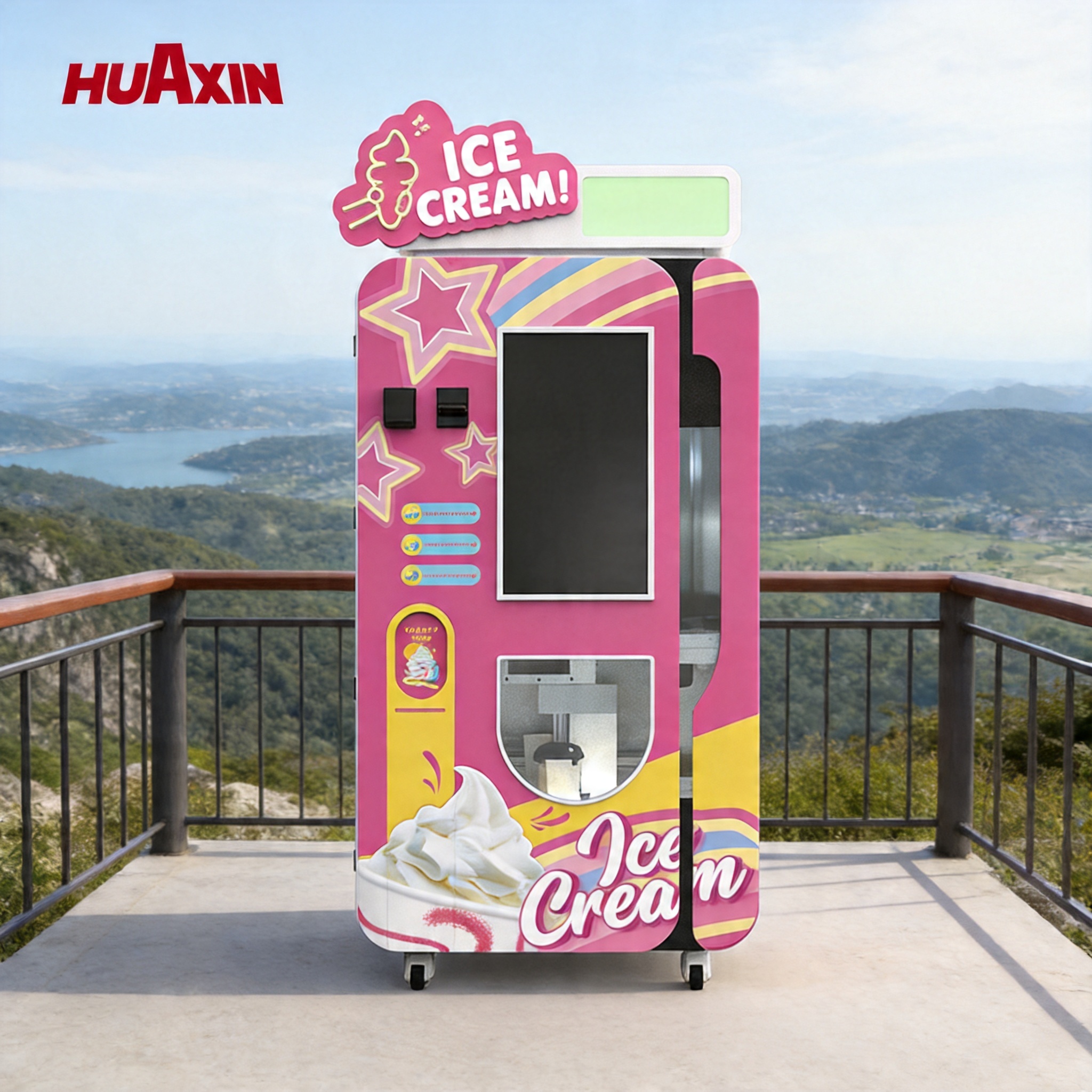
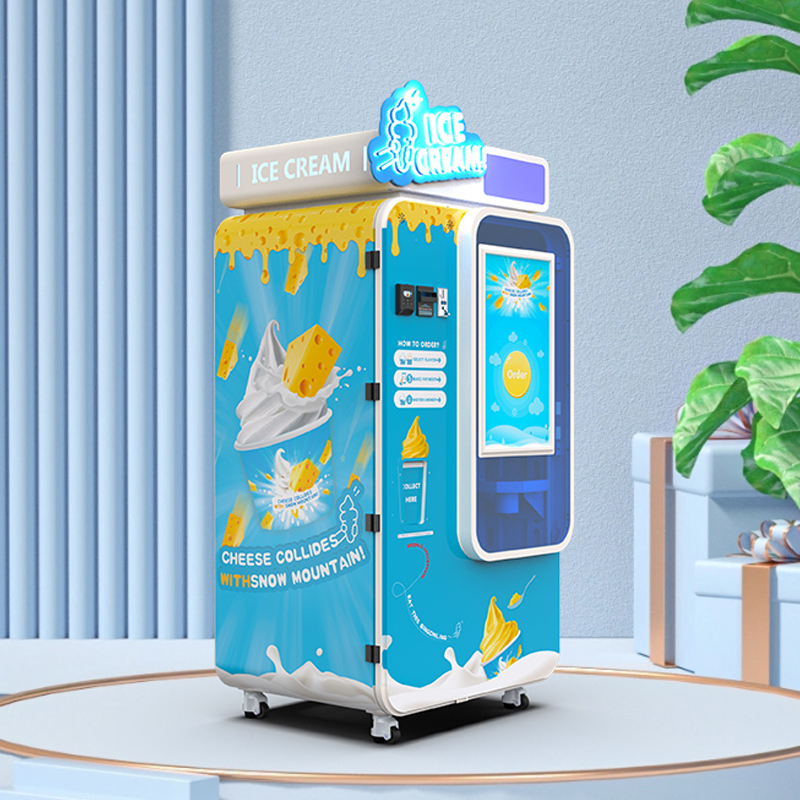
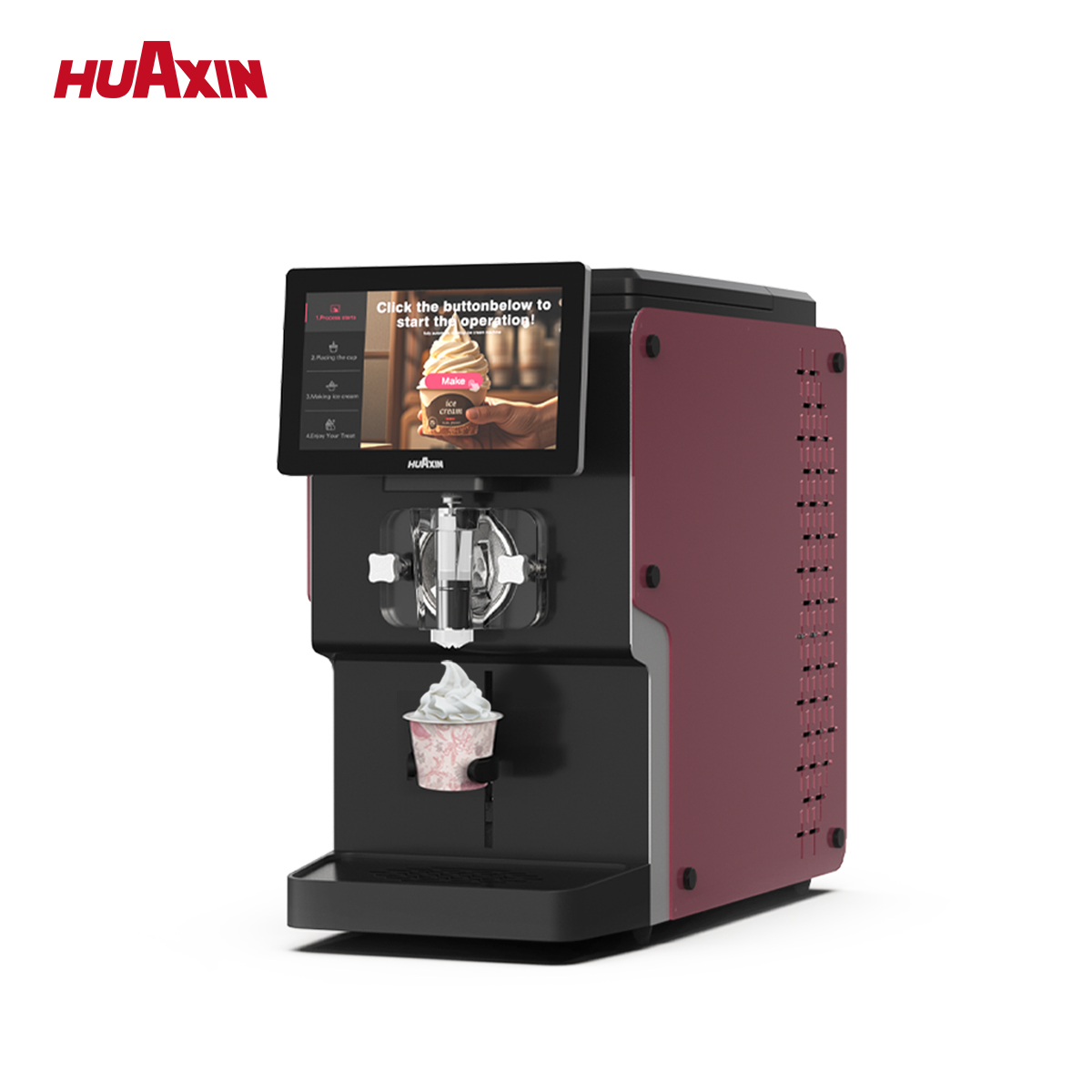
This guide compares three formats: the traditional staffed soft serve machine, the countertop automatic machine (Huaxin Easy7 and Power7), and the floor-standing vending machine (Huaxin B Series). Huaxin manufactures the automatic formats, so the product facts below describe Huaxin models. The decision framework applies to any brand.

Start with the job, not the machine
Two different jobs are both described as “adding soft serve.”
A staffed venue adds a dessert
A café, restaurant, convenience store or dessert shop already has people on shift and a point of sale. The question is how many staff-minutes soft serve takes and whether a machine cuts them enough to matter. The staff are paid either way, so the saving is the time and skill soft serve consumes, not the whole labor line.
A public point sells where no one is standing
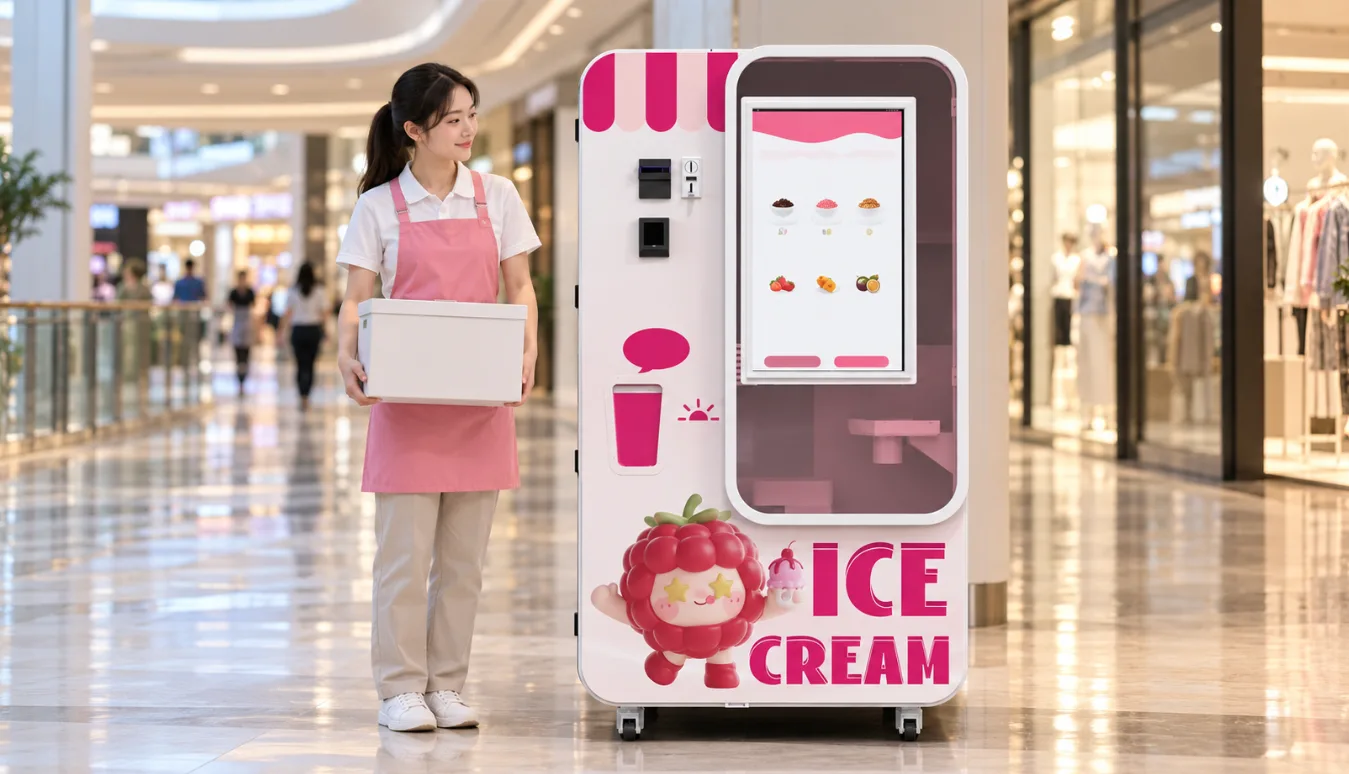
A mall corridor, campus, transit hub or entertainment venue has no one at the machine. The machine must take payment, serve and report its status, and the operator covers the rest through scheduled visits.
Many projects mix both, such as a café with a second machine at the entrance. Evaluate each machine as its own job.
Who does each task
The table separates what each format does from what a person still does. Huaxin entries are limited to documented, model-specific functions; payment and remote features depend on configuration.
Task | Traditional staffed soft serve machine | Countertop automatic: Easy7 / Power7 | Floor-standing vending: B Series |
Order and payment | Staff, through the store’s point of sale. | Easy7: not a payment vending machine by default; payment modules can be integrated on compatible projects. Power7: card and QR options on compatible configurations, subject to the local provider. | On-screen ordering. Card, QR and cash modules depend on the local provider, terminal and currency. |
Making the serving | Staff draw each serving. | Easy7: automatic once a compatible cup or cone is positioned. Power7: automatic production, with a lifting mechanism that positions the container. | Automatic from order to serving on compatible configurations, when mix, cups and machine status are normal. |
Cups and containers | Staff supply and handle cups or cones. | Easy7: the container is placed on the machine and detection checks for compatible containers; no automatic cup dispensing. Power7: positions compatible containers; confirm the cup supply method for your configuration. | Automatic cup dispensing with matched cup specifications. |
Cleaning | Standard machines are generally taken apart and cleaned daily. Heat-treatment models lengthen that interval, but some parts and the sanitation routine remain daily. | One-touch cleaning program simplifies routine cleaning; hygiene procedures still apply. | One-touch cleaning program. Pasteurization (heat treatment) is an option on compatible configurations. Manual cleaning and scheduled maintenance still apply. |
Restocking | Staff refill mix and supplies during shifts. | Staff refill at the counter. Easy7 is not defined as a standard topping-and-sauce platform; Power7 can be configured with two toppings and two sauces. | Operator visits to refill mix, cups and toppings. One base mix runs at a time; menu variety comes from toppings and sauces, with counts depending on configuration. |
Customer help | Staff are in front of the customer. | Easy7: staff at the counter, since it is not an unattended machine by default. Power7: depends on whether the corner is staffed. | No one on site by default. You define the signage, the contact route and who responds. |
Remote status | Varies by model; do not assume it. | On network-enabled units: Easy7 supports monitoring, alerts and selected controls; Power7 supports status, selected sales data and selected operations. | On network-enabled machines: status, selected sales data, alerts and selected controls. |
Three findings matter more than any single cell.
First, automatic production shortens the making step, not the work around it. Each automatic format has a one-touch cleaning program, and none of them removes hygiene procedures. “Unattended” describes who is at the machine during a sale, not whether anyone maintains it.
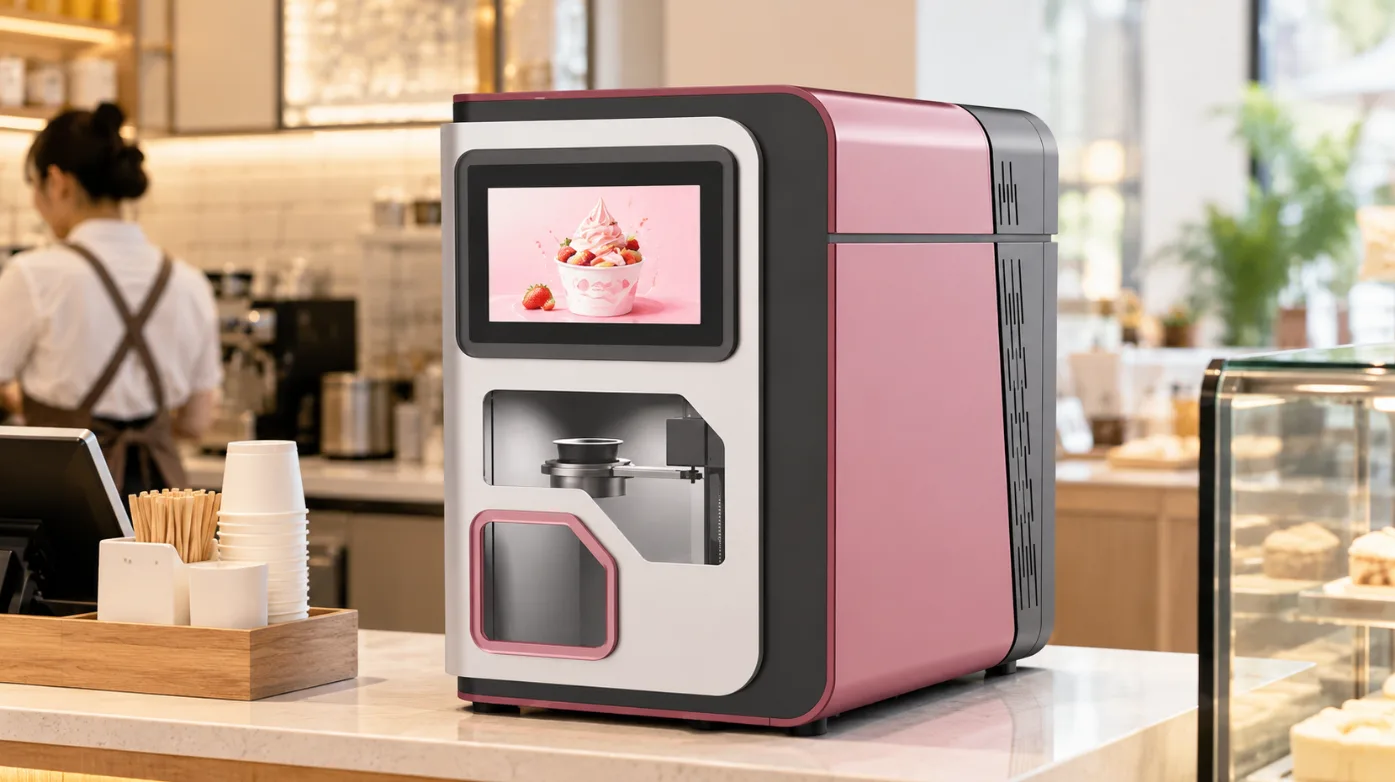
Second, Easy7 is a counter tool before it is a vending machine. It automates production after a cup or cone is positioned, but it has no automatic cup dispensing, and payment depends on integrating a module. Power7 and the B Series are the formats built around self-service ordering.
Third, the traditional side has narrowed the cleaning gap. Standard machines are generally taken apart and cleaned daily, while heat-treatment machines run a heating-and-cooling cycle every 24 hours and can go longer between full disassemblies. Where rules set the limit, 14 days is a common figure, some rules allow other intervals, and certain parts are still cleaned daily. Local food rules decide the actual schedule, and some require logs of the heat cycles. Compare an automatic machine with a heat-treatment traditional machine, not with one that needs a nightly teardown.
Measure the work before you compare machines
In a pilot week, log each task: minutes per day, who did it, and whether it fell inside selling hours.
• Serving each portion, including at peak times
• Refilling mix, cups and toppings
• Daily cleaning and any scheduled disassembly
• Wiping and checking the serving area
• Handling a payment or machine problem
• Travel time to the site, for unattended points
The log gives you the labor input for the cost model below. Staff minutes copied from another operator’s site are unlikely to fit yours.
Compare cost on the same basis
Fix one price, one period and one traffic assumption
Use the same selling price per serving, currency, period and servings per period for every option. Do not assume the vending format sells more. Whether an unattended point creates extra sales is a question for site data, not an input to assume.
Cost lines to include
Cost line | What to enter | Where formats usually differ |
Equipment, shipping, installation | Each supplier’s quote, spread over the period you use | By format and configuration |
Site | Rent or revenue share, power, network | Unattended points often carry site fees; a counter in your own store may not |
Consumables | Mix, cups or cones, toppings, sauces, waste | Similar for the same recipe |
Payment | Terminal, integration, processing fees | A counter POS may already exist; on-machine payment needs a terminal and provider |
Labor | Counter minutes per serving; scheduled visits and travel | Counter labor drives staffed formats; visits drive unattended ones |
Cleaning and maintenance | Supplies, spare parts, technician time | Interval depends on model and local food rules |
Software and remote service | Fees, if any | Applies to network-enabled machines |
Permits, insurance, tax | Local requirements | Unattended food vending may carry its own requirements; confirm with the local authority |
Break-even for one period
Contribution per serving = selling price − variable cost per serving.
Break-even servings = fixed cost for the same period ÷ contribution per serving.
Contribution must be above zero. Revenue, profit and cash flow are different measures and cannot replace one another.
Illustrative assumptions (hypothetical, not Huaxin pricing or customer results)
Input | Case 1 | Case 2: adds service visits |
Selling price per serving | $4.00 | $4.00 |
Variable cost per serving | $1.40 | $1.40 |
Contribution per serving | $2.60 | $2.60 |
Fixed cost per month | $1,300 | $1,560 |
Break-even servings per month | 500 | 600 |
Case 2 adds a hypothetical $260 a month for scheduled service visits. That one labor line moves break-even by 100 servings a month. In a venue where staff are already on shift and counter labor is not additional, the labor line for a staffed format may be close to zero, which can swing the result the other way.
Break-even servings are not forecast sales. Compare them with realistic traffic at the site. A machine’s rated hourly output limits throughput, not demand, and storage, cup capacity, serving time and hourly output are separate measures that cannot be converted into daily sales.
Hours, sites and the limits of “unattended”
A vending format extends selling hours only if the site allows it. Venue access, security, power, network coverage and local rules set the real hours, and someone must restock and clean on a schedule that covers them. Remote alerts help you plan visits; they do not repair mechanical faults, and a machine that is offline cannot be monitored remotely.
Outdoor placement needs its own check of temperature, rain, sun, dust and electrical supply. A protection rating on one component does not describe the whole machine. Payment, voltage and language follow the target market and are set before ordering; a configuration made for one market does not automatically suit another.
Which format fits
Situation | Better fit | Confirm before deciding |
Staff at the counter for every selling hour; soft serve skill or speed is the constraint | Countertop automatic machine such as Easy7 | Cup or cone type, payment through the existing POS, ventilation space above the machine |
Staff present, and the menu needs two base flavors or a twist | Traditional two-barrel machine | Space, power and the cleaning schedule; Huaxin’s B Series and Power7 run one base mix at a time |
Small self-service corner with limited floor space | Power7 | Payment provider and terminal, cup supply, voltage for your market; capacity is not B Series scale |
No one at the machine during selling hours; floor space, power and a visit schedule available | B Series floor-standing machine | Site hours and permission, restocking and cleaning visits, payment configuration, network |
Site rules or staffing do not allow unattended food service or scheduled restocking | A staffed format, traditional or countertop | Do not force a vending format onto the site |
Traffic is unproven | One machine and the staff-time log first | Scale only after the data supports it |
Prepare these details before asking for a recommendation
Format advice depends on facts about the site more than on the product list. Have these ready:
• Country and city
• Whether you already run a store, and how many staff are on shift during the hours you want to sell
• Venue opening hours and whether the machine can be reached outside them
• Space, power and network at the planned spot, and indoor or outdoor
• Payment methods and local provider
• Planned number of machines, target timing and your own estimate of servings per day
Send them through the inquiry form on huaxinvending.com to request an equipment-format recommendation. For model details, see the Huaxin ice cream vending machine range and the commercial buying guide for operators.
References / Sources
• Ohio Administrative Code, Rule 3717-1-08.1, Special requirements: heat treatment dispensing freezers;
• Eau Claire City-County Health Department, Recommended Cleaning Procedure for Soft-Serve Machines;

PREVIOUS ARTICLE
How Does an Ice Cream Vending Machine Work? From Ordering to Pickup
NEXT ARTICLE